Salt, Stone and Sea Fog: Ten Coastal UK Sets for Editorial Portraits
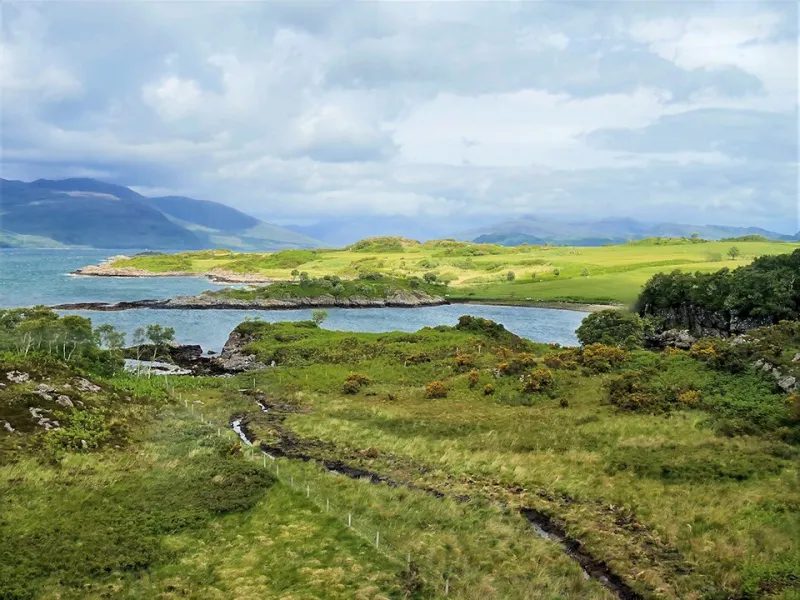
Photo: David Dixon , CC BY-SA 2.0, via Wikimedia Commons
Beach huts are fine. They are cheerful, colourful and almost impossible to avoid on a British coastal shoot. But if every editorial portrait comes back with a pastel hut in the background, the coast starts to look like a catalogue rather than a place. The UK has plenty of stranger, quieter and more useful sets. This is a working list of ten coastal locations that offer something with a bit more edge.
1. Covehithe, Suffolk
Covehithe is a lesson in impermanence: crumbling cliffs, skeletal trees on the beach and a church that feels older than the village around it. The location is stark rather than pretty, which is exactly why it works. Best light is dawn or low tide, when the sand gives you clean reflections. Access is by footpath from Covehithe church, with very limited parking and no facilities. Stay well back from the cliff edge and respect the erosion signs.
2. Pwll Du, Gower, Wales
This old quarry and pebble bay on the Gower feels tucked away even when the rest of the peninsula is busy. Limestone walls, dark rocks and a steep sense of enclosure give you a natural studio with texture. Shoot early morning or on a falling tide. Access is a walk from Bishopston, so travel light. There are no facilities, and the path is uneven—good boots are part of the kit.
3. Portencross, North Ayrshire
Portencross gives you a castle, an old pier and wide views over the Clyde without the crowds of better-known Scottish coastal stops. It is excellent for a moody editorial set at golden hour or blue hour, especially when the water is calm enough to reflect the pier legs. Parking is roadside near the castle, and the tide moves quickly. Keep an eye on it if you are working on the rocks.
4. Findochty, Moray
Findochty is a small harbour village with white cottages, a sturdy sea wall and a quiet, workaday feel. It suits portraits that need a sense of place without theatrical scenery. Blue hour is particularly good here, when the harbour lights come on and the sky goes soft. Park near the harbour and keep the shoot compact; this is a living village, not a film set.
5. St Abbs Head, Scottish Borders
St Abbs Head is rugged, exposed and full of visual drama: cliff paths, coves, a lighthouse and seabirds in season. It is not a place for a casual wander with a full bag, but the effort pays off. Go on a weekday at dawn, park at the National Trust for Scotland car park and stick to the marked paths. Avoid nesting areas and check the weather before committing to the cliff sections.
6. Spurn Point, East Yorkshire
Spurn Point is a thin spit of land with a haunted, end-of-the-world atmosphere. Abandoned structures, shingle, sea fog and big skies make it a strong backdrop for editorial work that wants a bit of grit. Check tide times before you go, use the Spurn Discovery Centre as your reference point and respect vehicle restrictions. The weather can change fast, so do not overcommit to a long walk without a backup plan.
7. Porth Wen Brickworks, Anglesey
Porth Wen is an industrial ruin in a cove: brickworks, old chimneys, rusty machinery and a rocky shoreline. It is a gift for portraits that need contrast between human grit and natural coastline. Low tide is best, and the path from Cemaes requires parking and a walk. The ground is slippery and the ruins are fragile, so keep the shoot light-footed and leave everything as you found it.
8. Dungeness, Kent
Dungeness is not a secret, but it is still one of the most distinctive coastal sets in the UK. Shingle, lighthouses, weatherboard houses and the strange scale of the power station give you a landscape that feels neither town nor wilderness. Shoot on a weekday in the off-season, use the roads and public paths, and respect the private estate. It is a place for wide frames and quiet subjects, not bustling group shots.
9. Holme Dunes and Thornham Point, Norfolk
This corner of the Norfolk coast gives you salt marsh, dunes, creeks and big skies without the arcade noise of the busier resorts. Dawn is the best time, when the light comes low across the marsh and the birds are active. Use the Norfolk Wildlife Trust car park at Holme Dunes and keep out of roped-off nesting areas. The ground can be soft, so check the route before you carry a full kit.
10. Kilve, Somerset
Kilve has shale beach, rock formations and the Quantocks behind it, which makes it useful for editorial portraits that want geology rather than sand. Low tide is essential. Park at the Kilve beach car park and take care on the rocks, which can be slippery. Fossil collecting is controlled, so leave the hammer at home and shoot what is already there.
A note on tides and manners
Every one of these locations asks the same two things: check the tide and behave like a guest. Coastal light changes quickly, access paths flood and small villages are not designed for a crew of ten. Travel light, take your litter home and do not block entrances. The best editorial locations are not the ones with the biggest car park. They are the ones that still feel like themselves when you leave.