Rain Is Part of the Set: A Wet-Weather Case for UK Portrait Shoots
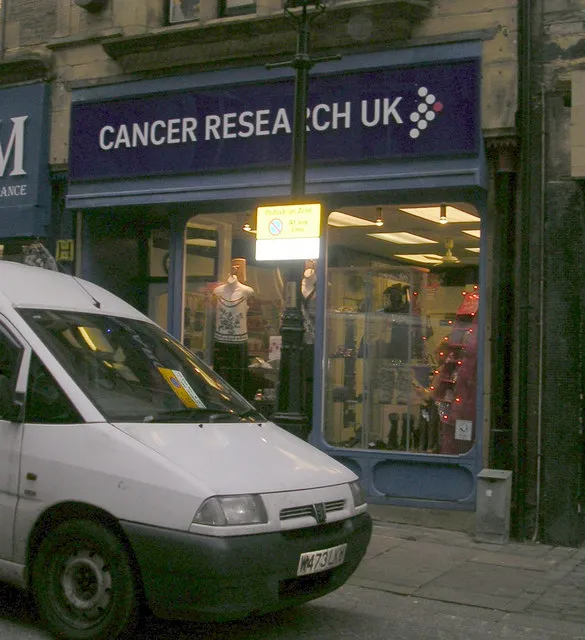
Photo: Betty Longbottom, CC BY-SA 2.0, via Wikimedia Commons
I used to watch the forecast the way other people watch the football. A yellow rain warning over a wedding or an editorial commission felt like a small defeat before I had even packed the bag. These days I read the same forecast with something closer to appetite. In the UK, rain is not a scheduling glitch. It is part of the set.
The forecast is not the brief
An editorial portrait or a wedding commission is not a weather report. Couples do not marry inside a studio; they marry in Britain, in churchyards and registry offices and hotel gardens that have been rained on for centuries. Editorial clients do not want a sanitised version of the place they have chosen. They want the place as it feels.
That shift in thinking matters. If you spend the morning apologising for the weather, the pictures will carry that apology. If you treat rain as part of the story, everybody relaxes. The couple stop worrying about their hair and start looking at each other. The subject stops posing for a sunlit postcard and starts responding to the actual day.
Wet weather changes the light
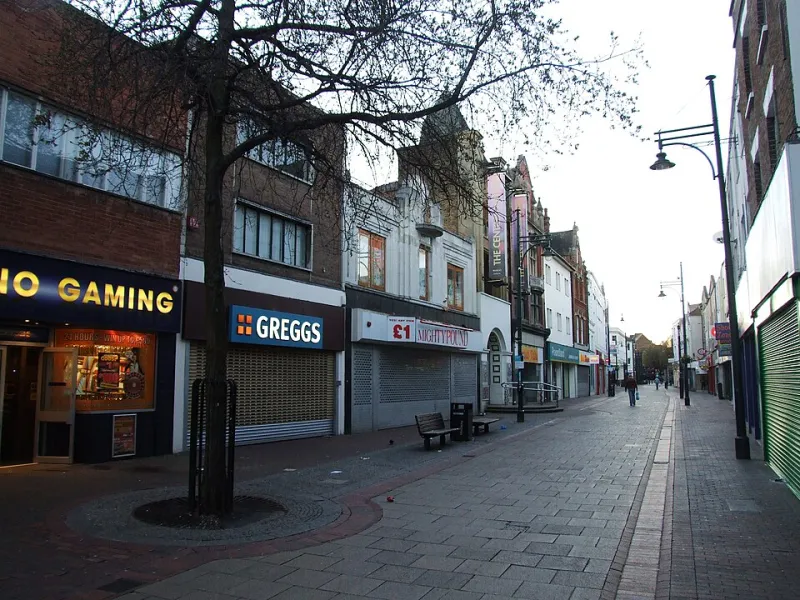
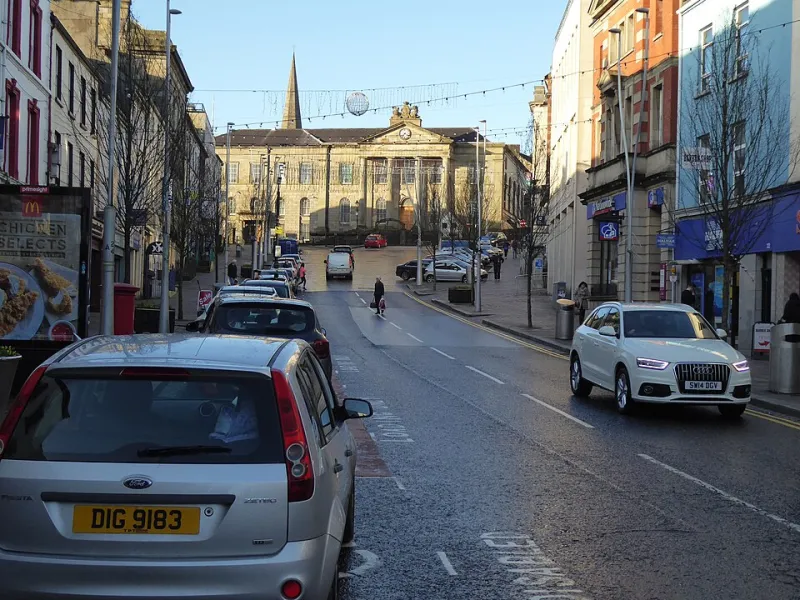
A dry high street is a postcard. A wet high street is a film still. Rain darkens stone, saturates brick and turns tarmac into a soft grey reflector. Overcast skies are often dismissed as flat, but add wet surfaces and you get a much richer range of tone than a hard midday sun ever gives you. The light wraps rather than punches. Skin looks better. Wool, tweed and heavy cotton look better. Even the ordinary things—bollards, bus shelters, kerb edges—start to earn their place in the frame.
Gear that earns its keep
You do not need a military-grade waterproofing system. You need a sensible bag, a rain cover, a lens hood and a cloth you can reach without unpacking everything. I keep a couple of microfibre cloths in a zip pocket, plus a small silica pack in the camera bag. A clear umbrella is worth its weight in gold: it keeps the subject dry without turning the light into a grey dome, and it gives people something to do with their hands.
My own rule is to protect less and move more. Wrapping every item in plastic and then standing under an awning for forty minutes is not a rain shoot; it is a waiting game. Weather-sealed bodies and prime lenses help, but the bigger skill is working in short, decisive bursts. Make the picture, wipe the front element, move on.
Reflections are the real location
Puddles are not obstacles. They are free backdrops. Get low, expose for the highlights and let the reflection do half the composition. Wet slate, polished granite, car bonnets and shop windows all double the frame. Ripples add texture. A dropped leaf or a passing umbrella can turn a plain portrait into something with a bit of narrative.
I look for reflections that tell me something about the place rather than just proving it rained. A wedding couple reflected in a church path puddle says more than a generic shot of wet cobbles. An editorial subject reflected in a café window, with the street behind them, gives you two layers of location in one frame.
Keep clients comfortable
This is the part that matters most. A cold, wet client is not a creative collaborator. Bring towels. Bring a spare umbrella. Tell people exactly where you are going and how long you will be there. Build in a pub, café or hotel lobby as a reset point. If the shoot is a wedding, speak to the venue ahead of time about indoor options that are not just a dark corridor.
I also say the plan out loud: we will do ten minutes outside, then come back in and warm up. That small promise changes everything. People will stand in a drizzle if they know it is brief and purposeful. They will not stand in it while you fiddle with a bag.
Examples from the field
A wedding in the Peak District a while back had a forecast that looked genuinely grim. We shot the portraits in a doorway while the rain came down in sheets, then caught the couple under a black umbrella on the wet lane. Those frames are still among the most requested from that day. The weather did not ruin the story; it gave the story a setting.
An editorial commission in Glasgow's East End turned around when the pavements flooded. We used the reflections of signage and traffic lights, and the pictures felt more like the city than the dry-day alternatives would have. A soggy morning in Whitby gave me wet harbour stones, a grey sea and a subject who looked properly rooted in the place rather than dropped into it.
When to call it
Embracing rain is not the same as ignoring risk. Lightning, high winds, flooded roads and icy paths are not creative assets. Respect them. Check tide times on the coast, keep an eye on the radar and have the sense to move indoors when the weather turns genuinely unsafe. The best rain pictures come from being prepared, not from being stubborn.
The advantage
Rain gives you permission to make pictures that do not look like everyone else's. It narrows the options, which sounds like a bad thing until you realise that limitation is often what makes a shoot distinctive. The UK gives us wet weather in abundance. We might as well use it.