Short Days, Long Shadows: Making UK Winter Light Work for Editorial and Wedding Portraits
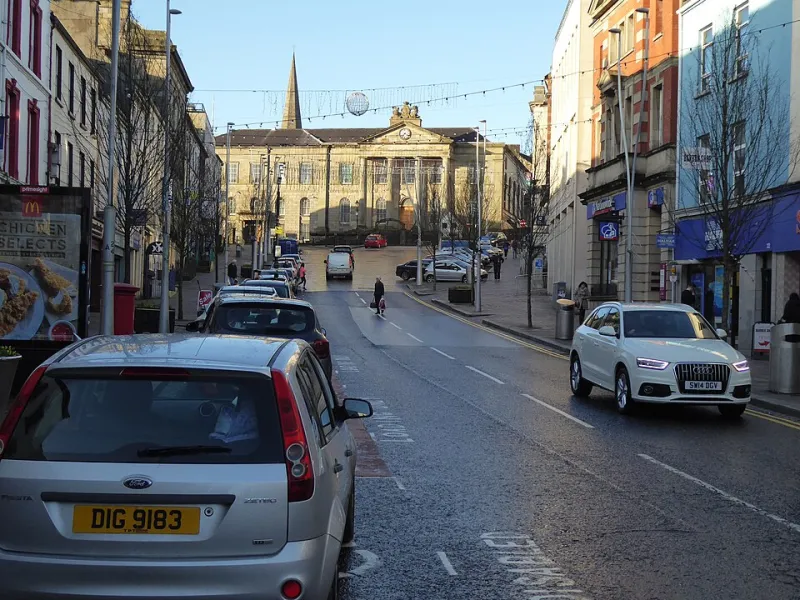
Photo: Kenneth Allen , CC BY-SA 2.0, via Wikimedia Commons
As I write this in early November 2026, the clocks have changed and the light outside my window is doing that familiar British winter thing: low, pale and slightly theatrical. By 3pm it will be brushing the tops of buildings; by 4pm it will be gone in much of the country. For years, photographers have treated this as a problem to be managed. I've started treating it as a brief.
The useful surprise is that the golden hour in the UK winter isn't always a brief blast at the end of the day. The sun stays low for hours, so you can get long shadows and warm side-light from lunchtime onwards on a clear day. But the usable window is short and the timetable is unforgiving.
Scout for the sun, not just the scene
A south-facing stretch of coast is worth its weight in gold between November and February. Think Cornwall's south coast, the Suffolk estuaries, the underside of the Isle of Wight, or a Brighton seafront walk when the sun is low over the water. The light comes across the sea at a low angle and keeps working for longer than it does inland. Look for shelter from the wind, beach huts, groynes, promenade railings — simple shapes that can hold a silhouette.
Woodland is the other useful winter location, but choose it carefully. Dense summer canopy becomes a dark tunnel in December. I look for open glades, stands of birch or pine, leaf litter that catches the light, and paths that run east-west so the sun can rake through the trunks. A south-facing woodland edge can be magic at 2pm; the same spot at 3:30pm may be blue-grey and flat.
Expose for the sky you've actually got
British winter skies are rarely clean blue. More often they're a soft grey ceiling, which is effectively a giant softbox. That's useful for skin tones and detail, but it can fool a meter into underexposing faces against bright cloud. I tend to expose for the highlights, check the histogram and lift shadows in post rather than let the sky blow out. If the sky is flat and featureless, I'll compose it out or use it as negative space. A sliver of white sky above a couple can look intentional; a huge blank rectangle usually doesn't.
For backlit portraits, I'll often add a stop or so of exposure compensation and use a reflector or a bounced flash to keep faces alive. In flat overcast, I'm looking for contrast in the frame — dark doorways, wet pavements, red brick, evergreen foliage — because the light itself won't give it to me.
Build the timeline backwards from 3pm
Wedding timelines in winter need to be built backwards from the light. If sunset is 3:55pm in London in early December, the best portrait light might be 2:30–3:30pm. That means you cannot leave couple portraits until after the speeches unless you have a plan for flash or indoor light. I ask couples to consider a first look or a short portrait session before the ceremony, or to steal 20 minutes after the ceremony before the room fills up. It's not Romantic with a capital R to schedule a portrait break at 2:15pm, but the pictures are better.
For editorial shoots, the same logic applies. Start at 1pm and shoot through the arc of the afternoon rather than hoping for a sudden sunset. North of the border it's earlier: Inverness in mid-December can be dark by 3:30pm. Check a sun calculator for the actual date and location, not a generic sunset time.
Use the grey as a studio
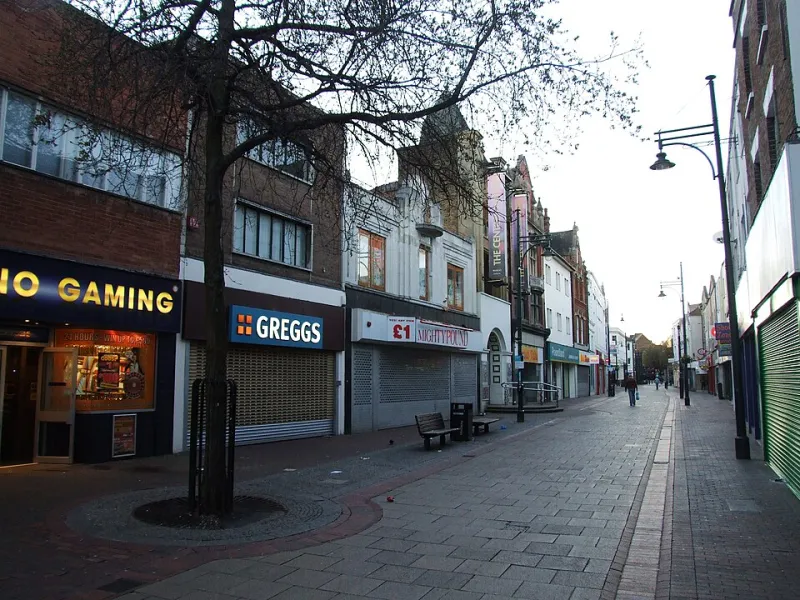
Overcast days are not a consolation prize. They're a chance to shoot close, quiet portraits with soft wraparound light. I look for a doorway, a window, a white wall, a canopy — anything that shapes the light. A couple under a shop awning on a wet high street can look more cinematic than a couple blinking into a low sun on a lawn. The key is to stop waiting for the weather to change and start shooting the weather you have.
Winter in the UK is a masterclass in horizontal rain. I plan a route with indoor options: a station concourse, a covered market, a church porch, a pub with a big window. I also carry a couple of clear umbrellas and a small flash. The umbrella is not just practical; it gives hands something to do and creates a little private world around the couple. Don't promise a golden sunset. Promise a plan.
The UK's gloomy-season reputation is only a problem if you're chasing a version of California that isn't coming. The short days force decisions. They make you scout properly, build a realistic timeline and look for character in the places you might otherwise walk past. By 3pm, the light is already going. That's not a reason to stop shooting. It's a reason to start earlier, look harder and use every bit of it.