Up the Winding Stair: Making a Village Church Tower Work for Wedding Portraits
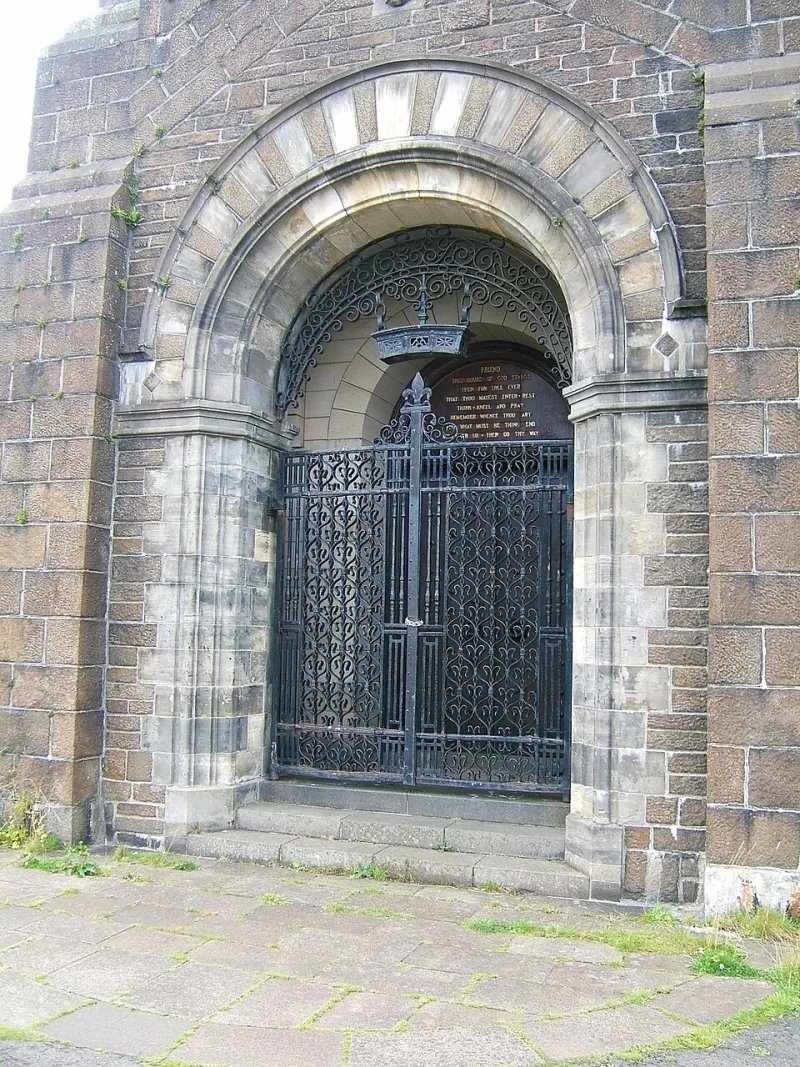
Photo: steve mclaughlin , CC BY-SA 2.0, via Wikimedia Commons
There is a moment at a village wedding when the churchyard empties and the reception tent starts clinking. The couple are meant to circulate, but there is often a twenty-minute pocket before speeches or the meal. That pocket is where a tower can earn its keep. Not as a stunt, not as a big landscape reveal, but as a small, strange green room above the party.
I have photographed couples on lead roofs, beside bell frames and halfway up spiral stairs that smelled of cold stone and old hymn books. The tower is not a studio. It is a working part of the building, and it asks for a different sort of planning. Get that planning right and you come back with portraits that feel like the day, not like a location shoot with a wedding attached.
Ask before you climb
Start with the incumbent and the churchwarden, not with the couple. A parish church tower is rarely a free-for-all, and access arrangements vary from parish to parish. Some towers are open for guided climbs; others are locked, alarmed or mid-repair. If the church is Church of England, there may be a faculty or building permission issue if you are proposing anything beyond ordinary visitor access. You almost certainly do not need to make it complicated, but you do need to ask early.
Ask specifically: can the couple and a photographer go up after the ceremony, who will unlock the door, is anyone else expected, and what is the latest time to be out. Mention tripods, bags and whether you will need to move chairs or bell-ringing equipment. Do not assume the answer is yes because the tower is pretty from the outside.
It also helps to have a named person with you or nearby who knows the building. A churchwarden who has rung bells for thirty years is worth more than any floor plan. They will tell you which step is loose, which door sticks and where not to stand when the clock mechanism does its thing.
The climb is part of the set
Narrow spiral stairs are not a problem to be solved; they are the first frame. Put the couple a few steps apart, use the rough stone wall as a natural reflector and let the light come down from the opening above. Keep your kit to one small bag. A wheeled case is useless here, and a big backpack will scrape both walls.
I usually walk up first, check the landing and the door at the top, then bring the couple up with clear instructions: one hand on the rope, one on the wall, no rushing. If anyone is unsure of heights or enclosed spaces, stop. The tower is not worth a wobble. A quick conversation before the wedding day is better than discovering the problem at the first landing.
At the ringing chamber, pause. Bell ropes hanging in rows make a beautiful, orderly foreground, and the room often has a soft, dusty light that suits quiet portraits. Do not touch the ropes unless you have been told it is safe and appropriate. They are working equipment, not props, and a moving rope can be dangerous. Photograph them as they hang, or use them as a frame from a respectful distance.
Louvred light and lead roofs
The upper stages are where the tower becomes genuinely useful. Louvred windows throw slatted light across stone and faces, especially in late afternoon. That light is contrasty, so expose for the highlights and let the shadows sit. If the couple are in dark clothes, move them closer to the opening or use a small reflector. If they are in white, watch the bounce from the lead.
On the roof, the rules change. Lead is slippery when damp and hot in direct sun. Keep everyone away from the parapet edge, especially in wind. I like the roof for wide frames: the couple small against the churchyard, the village beyond, the reception marquee just visible. Those pictures give the wedding a sense of place without turning into drone photography with a vicar waiting downstairs.
Use the roof sparingly. Two or three wide frames, a few close portraits against the stone, then go back inside. The best tower portraits usually have more stone than sky in them.
Timing, momentum and the way down
This is the part that matters most. The tower should not swallow the wedding. Agree a hard fifteen or twenty minutes with the couple before the day. Tell them when you will leave, and stick to it. If the climb takes longer because a door is stiff or someone needs a breather, cut the pictures rather than the schedule.
Bring a small bottle of water, a cloth for the couple to sit on if they are using a stone ledge, and a plan for hair and dress in wind. Ask the couple to lift the dress for the stairs rather than drag it. Have a route back down that does not require squeezing past guests.
On the way out, look for the last frame: the couple coming down into the churchyard, slightly out of breath, back in the noise of the day. That is often the picture that makes the tower feel like part of the wedding rather than a detour from it.
A tower is not for every couple, and it is not for every church. But when the permissions are clear and the timing is honest, it gives a village wedding something rare: a quiet room above the party, with the whole day laid out below.