Retail Pastoral: Shooting Engagement Portraits in a British Garden Centre
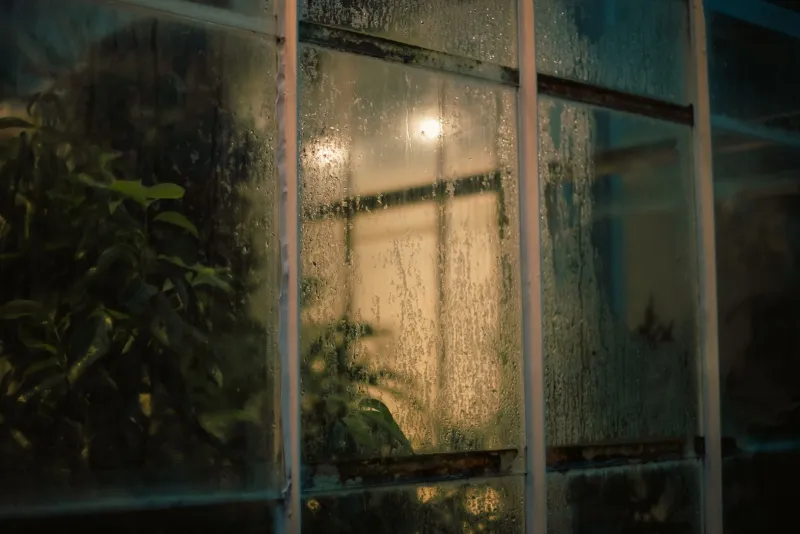
There is a particular kind of British afternoon that unfolds under a corrugated roof: the soft clatter of trolleys, the hiss of a coffee machine, and the smell of damp compost mixed with something tropical. Garden centres are not usually filed under ‘portrait locations’. That is precisely why they work.
A manicured lawn gives you space and not much else. A garden centre gives you layers — glass, leaves, gravel, handwritten price cards, steam from the café, and the quiet theatre of people browsing things they may or may not buy. For couples planning an engagement shoot that does not look like every other engagement shoot, it is worth a second look.
Why the lawn is overrated
Parks and lawns are lovely, but they are also visually flat. Green on green, a horizon, maybe a bench. The garden centre offers a controlled mess of texture: terracotta, galvanised metal, wet paving, fern fronds, shelves of coloured pots, and the occasional inflatable Santa if you time it badly in December.
It also has shelter. In the UK, that alone is worth something. You can shoot through a rain shower without pretending the rain is romantic. The glasshouse stays warm, the paths stay usable, and the café stays open.
The light under glass
Glasshouse light is the main event. On an overcast day it is broad, soft and forgiving — a bit like a giant north-facing window. Midday sun is less kind; it punches through the roof and leaves hard bands across faces. Aim for cloud cover, or work deeper into the aisles where the light falls off.
Watch the green cast. Foliage bounces colour onto skin, and a JPEG that looked fine on the back of the camera can turn everyone slightly seasick. Carry a grey card or set a custom white balance. If you are shooting raw, you have wiggle room, but get it close in camera.
The café is a separate set. Window tables, Formica, tea cups, a laminated menu — it is everyday British visual language. Shoot there early or late, not at the lunch rush.
Permission before composition
This is a retail space, not a public park. Ask first. Speak to the duty manager, explain what you are doing, and keep it small. A couple with one camera and one lens is a different proposition from a crew with light stands and a changing bag.
Avoid blocking aisles. Do not move stock without asking. Do not photograph other customers, especially children. Buy something — a coffee, a plant, a bag of bird seed. It is not a fee, but it is good manners, and it changes the tone of the conversation.
Weekday mid-afternoon is usually quieter than a Sunday. The last hour before closing can be peaceful, but staff are tired and the tills are busy; check first. Spring weekends are out. Christmas displays are visually rich but chaotic — unless chaos is the brief.
Posing around trolleys and compost
A trolley is a frame, not a toy. Do not sit in it. Do not ride it. Lean on the handle, walk with it, park it between you and the camera. The wonky wheel is a gift: it gives movement and a reason for the hands to do something.
Compost bags are surprisingly good posing blocks. They are heavy, textured and unmistakably ordinary. Use them as seats for a quick frame, or as foreground shapes. Bags of gravel work the same way. Avoid making the couple look like they are auditioning for a DIY advert; keep the action small. Pick up a fern. Compare two pots. Read a label. Hand over a tray of pansies.
The best frames often happen when they are almost shopping. Let them browse. Stand back. Use the shelves as leading lines and the glasshouse roof as a softbox.
Making it editorial, not improvised
Editorial does not mean expensive. It means deliberate. Choose a palette before you arrive: green, terracotta, grey, a flash of rust. Ask the couple to avoid dressing like the foliage unless you want camouflage. Denim, cream, navy and muted reds separate nicely from the greenery.
Shoot through leaves. Use reflections in the glass. Frame through a doorway. Look for typography on signs and price cards. Keep backgrounds clean by moving two steps left or right. A shallow depth of field helps, but do not rely on it to hide clutter.
The café can tip into kitsch if you let it. One table, one window, one cup of tea is enough. You are not making a documentary about retail; you are making portraits that happen to be in a shop.
A note for couples
If a formal garden feels stiff and a beach feels cold, a garden centre is a genuine alternative. It is accessible, it has parking and toilets, it is warm, and it comes with tea. It also has character — the kind that comes from being used rather than designed for photographs.
It may feel faintly ridiculous at first. That is part of the charm. The images tend to feel grounded, funny and human, which is usually what people actually want from an engagement shoot.
Field notes checklist
- Call ahead and ask for the duty manager.
- Aim for a weekday between 2pm and 4pm, or the last quiet hour.
- Prefer overcast light; avoid harsh midday sun under glass.
- Buy a coffee or a plant.
- Keep kit light and avoid tripods in aisles.
- Check white balance for green bounce.
- Do not photograph other customers.
- Bring a cloth for wet leaves and a bag for rubbish.
The garden centre is not a studio. That is the point. It is a real place with real light, real clutter and a trolley that pulls to the left. Use it.