Brass, Flock and Last Orders: A Field Guide to Pub Back-Room Portraits
There is a particular kind of quiet in a pub at 10.40 on a Tuesday morning. Chairs still upside down, carpet smelling faintly of last night's bitter, a shaft of light coming through frosted glass and landing on a brass rail. That quiet is not empty. It is waiting. For portrait work, it is often the most useful room in the building.
Why the back room beats the studio
Hired studios are clean, controlled and almost entirely without memory. A pub back room has memory in the woodwork. The flock wallpaper has seen birthdays, wakes, darts finals and the kind of arguments that get resolved by closing time. For editorial portraits, that texture does a lot of the work before the client has even sat down. For wedding clients, it gives you somewhere warm, local and unpretentious to make the quieter frames — the ones between the formal groups and the first dance.
The other advantage is psychological. People behave differently in their local. They know where to put their coat. They know the landlord. They are, in the best sense, off duty. A hired studio asks them to perform being photographed. A pub asks them to be themselves, or at least a version of themselves that is not trying too hard.
Ask first, and ask properly
Never assume a pub is fair game because the door is open. A local is a business and someone's living room. Ring ahead or send an email. Explain what you want: a couple of hours in the back room or snug, a small crew, no blocking the bar, no lighting cables across fire exits. Ask which days are quietest. In most UK pubs, mid-morning to early afternoon is safe; Friday after 5pm is not.
A vague yes at the bar is not permission. A short email confirming the date, rough times and what you will bring is worth more. Offer something back: a few good photographs of the pub itself, credit on social media, or a round for the staff. If regulars are in shot, ask them directly. If you are shooting for commercial editorial, check whether the pub wants a property release; for wedding work, a simple note to the landlord is usually enough, but get it in writing.
Read the room before you light it
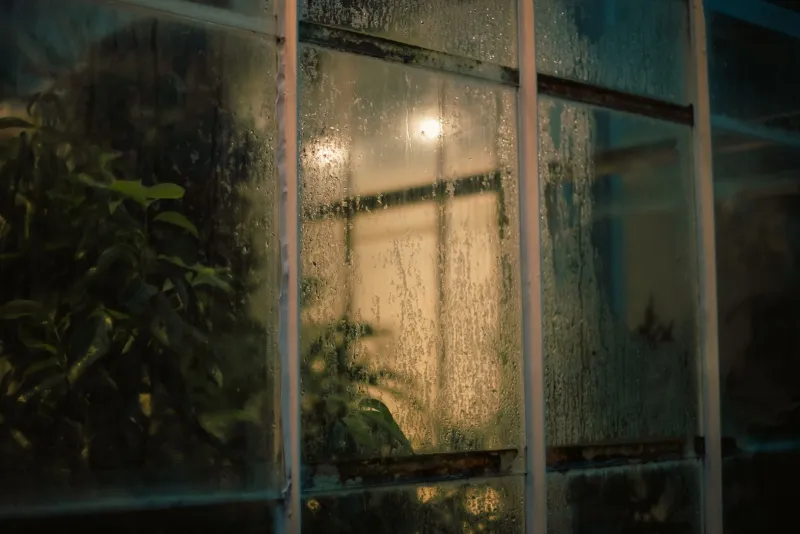
Pub light is rarely even. That is the point. Start with what is there: a window at the end of the corridor, a half-glazed door to the garden, a pendant over the dartboard. Frosted glass is a gift because it turns hard daylight into a soft, slightly milky glow. It also hides the car park. Use it as your key light and let the room fall away.
If you need more control, keep it small. A single speedlight bounced into a corner or off a pale ceiling can lift the shadows without flattening the flock. An LED panel with a grid is useful in a dark snug, but do not turn the place into a studio. The moment the room looks lit, you have lost the reason for being there. I tend to work at ISO 1600 to 3200, f/2 to f/2.8, and 1/125sec, with a 35mm or 50mm lens. The shallow depth keeps the brass and the patterned wallpaper as texture rather than distraction.
Flock, brass and other awkward surfaces
Flock wallpaper is beautiful and slightly unforgiving. It eats light, shows every fingerprint, and can turn muddy if you push the contrast too far. Place your subject a metre or so away from the wall and let the pattern go soft. If the wallpaper is dark, give the face a little more light than you think you need; if it is busy, keep the background out of focus.
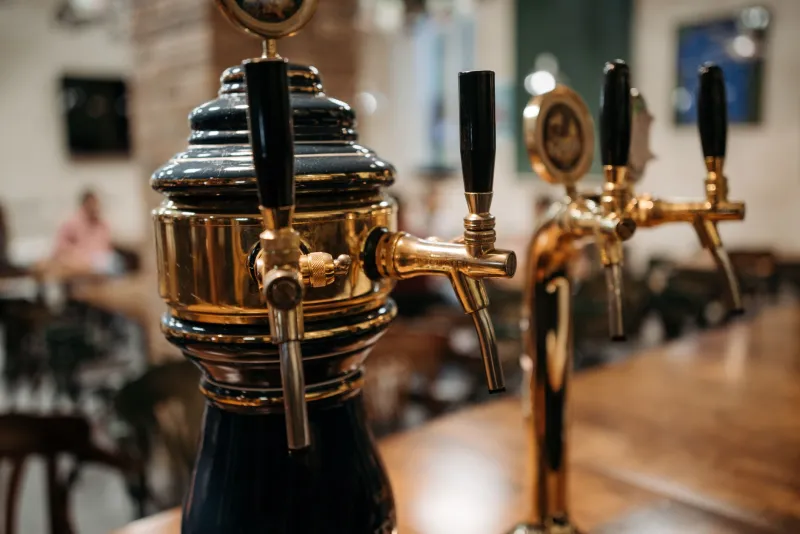
Brass fittings are useful accents, not the subject. A brass rail behind a shoulder, a tap in the background, a coat hook catching the window — these are the details that say pub without shouting. Watch for reflections. A polished brass tap can hold a tiny, distracting version of your flash. Move the light or move the person.
Corridors, snugs and the room by the loos
The corridor by the loos is not a compromise. It is often the best set in the building: narrow, quiet, with a strip of light from a high window and a wall that has been painted and repainted so many times it has a history. Use the corridor for single portraits and detail shots. Stand at the far end, shoot down the line of the wall, and let the perspective do the work.
The snug is for intimacy. It is small, usually darker, and full of corners. Put the client in the corner seat, turn them towards the window, and shoot across the table. The table is a useful prop: hands on a glass, a coat over the back of the chair, a bag on the floor. Do not clear everything away. The clutter is the story.
The garden in all weather
A beer garden in November is not the same as a beer garden in July, but it is still a set. Wet benches, a covered heater, a string of lights against a grey sky — these are good. If it rains, shoot under the awning and let the wet garden be the background. If it is cold, work fast and keep the client's coat on. The pub is the warm room you can retreat to. That back-and-forth is part of the day.
Why it feels more honest
A hired studio is a neutral box. A pub is not neutral. It has opinions, years and a carpet that has seen things. That is why the photographs often feel more honest. The client is not standing in front of a seamless backdrop; they are standing in a place that belongs to other people, which somehow makes them more themselves. For editorial work, that context is useful. For weddings, it is a reminder that the day is not a performance. It is a room full of people, a few good tables and a landlord who wants his back room returned by four.