Between Stops: Making Portraits on a Rural Bus Run
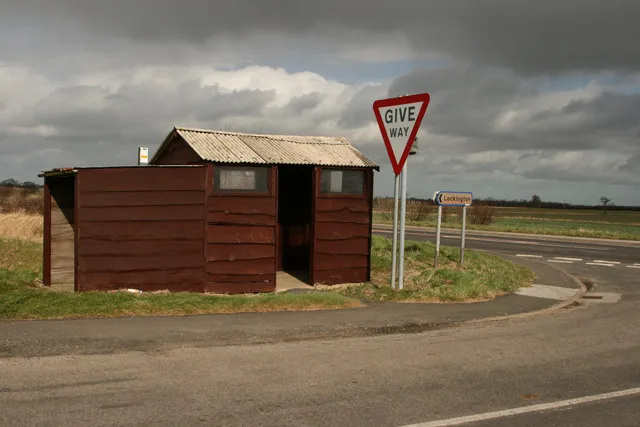
Photo: Peter Church, CC BY-SA 2.0, via Wikimedia Commons
The bus leaves the market square at 15:42, whether or not anyone is ready. That is the first useful thing about it. A rural bus route gives you a schedule you cannot argue with, a series of rooms you did not have to build, and a very British kind of background: wiped-clean glass, worn moquette, a timetable in a plastic sleeve.
I spent a recent afternoon riding one route from a market town out to a village terminus, camera in a small bag, notebook in my pocket. The aim was not to make a documentary of bus travel. It was to see whether the scheduled service could work as a roaming portrait set for editorial and pre-wedding pictures. It can. You just have to shoot with the timetable rather than against it.
The shelter is the first studio
Most rural bus journeys begin with a wait. That wait is not dead time. A decent shelter offers a bench, a glass panel, a roof and a view. It also offers the sort of light photographers spend ages trying to fake: soft, top-lit and slightly green through old glass.
I like to arrive twenty minutes early and treat the shelter as a warm-up set. Sit the subject on the end of the bench, not in the middle. Ask them to look down the road rather than at the lens. The shelter frame does the rest. A bus stop is a place of anticipation, and faces read well when they are waiting for something.
Practical notes: check the glass for scratches and stickers before you commit. A clean panel gives you a reflection; a filthy one gives you noise. If the shelter is busy, work at the edges, keep bags out of the gangway and never block the timetable. People need to read it. So do you.
Timetable as shot list
A bus route is a shot list with times attached. The 15:42 gives you a departure portrait. The 15:58 stop at the garden centre gives you five minutes by a hedge and a low wall. The 16:11 estate stop gives you brick, railings and a bit of council planting. The terminus gives you the long finish.
I write the times down and then work backwards. Two frames at the shelter. Three on the bus while it is quiet. Five at the village green. One at the terminus sign. It sounds rigid, but the constraint is liberating. You stop waiting for the perfect light and start looking at what is actually there.
If the bus is late, that is a gift. Rural services are not known for their punctuality, and a ten-minute delay can be enough for a quick set by the depot wall or under the awning of the shop opposite. Keep the subject warm, keep the bag closed, and keep half an eye on the road.
Inside the moving room
The bus itself is the real find. A near-empty service in the middle of the afternoon is a moving studio with a very particular palette: blue-grey seats, yellow grab rails, a ticket machine glowing near the driver, and windows that turn the landscape into a soft, moving backdrop.
Back-seat window light is the obvious move, and it works. Sit the subject on the left-hand side, facing the window, and let the passing fields bounce into their face. Expose for the skin and let the interior fall where it wants. A bit of darkness around the edges is not a problem. It looks like the bus.
Tight spaces need simple poses. Hands on the rail. One knee on the seat. A shoulder against the window. A coat folded on the lap. Avoid big gestures; they look theatrical in a bus aisle. Small adjustments read better in a confined frame. Ask the subject to look out of the window, then back at you. That half-second turn is often the picture.
I use a 35mm or 50mm lens and keep the aperture sensible. You want the bus to be recognisable, not obliterated. A little context is the point. The ticket machine, the bell cord, the sticker asking you to hold the rail: these are the details that make the picture belong here rather than anywhere else.
Working around people and drivers
A bus is someone's workplace and someone else's lift home. That matters more than the photograph. I ask the driver before I start, buy a ticket, and stay out of the way when passengers get on. No flash. No blocking the aisle. No photographing anyone who has not agreed to be in the frame.
If the bus is busy, I wait. There is always another stop, another shelter, another five minutes at the terminus. The best portrait sessions on a route are not the ones where you take over the vehicle. They are the ones where you fit in quietly and leave the service as you found it.
At the village terminus, the bus empties and the driver takes a break. That is often the strongest set of the day: the open door, the empty seats, the subject standing on the pavement with the engine idling behind them. It looks like an ending, which is useful for wedding work. Pre-wedding portraits are full of beginnings. A terminus gives you a bit of narrative weight.
Why the rural bus works
The bus is not glamorous, and that is its strength. It is ordinary in a way that reads as honest. For editorial portraits, it gives you a very specific British texture: the timetable, the shelter, the depot fence, the half-hearted hanging basket by the stop. For couples, it gives you a story that feels local and lived-in rather than borrowed from a magazine.
It also forces you to work quickly and respectfully. You cannot move the bench. You cannot repaint the shelter. You cannot ask the driver to hold the bus while you fiddle with a reflector. You have to use what is there, which is usually enough.
My advice is simple: pick a route, ride it once without a camera, note the stops and the light, then come back with a subject and a ticket. Give yourself two hours and no more than four locations. Buy a return. Say thank you to the driver. And keep an eye on the timetable, because the last bus home waits for nobody.